
Many working adults spend most of the week sitting at a desk and then become very active on weekends—playing badminton, futsal, pickleball, running, or attending gym classes.
Being active is fantastic, but if your body is not accustomed to sudden physical stress, you may experience muscle stiffness, soreness, heavy legs, or reduced flexibility. One common question patients ask is: “Should I get a normal spa massage or a clinical sports massage?”
Understanding Delayed Onset Muscle Soreness (DOMS)
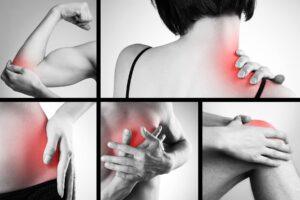
DOMS usually develops several hours after unfamiliar or strenuous exercise and often peaks within 24 to 72 hours. It occurs after activities involving downhill running, jumping, heavy resistance training, or rapid changes in activity intensity.
Debunking the Lactic Acid Myth:
Muscle soreness is not caused by “lactic acid trapped inside the muscle.” Lactate levels return to normal shortly after exercise completes. DOMS is actually the result of microscopic structural adaptations and temporary localized inflammatory responses as muscles adapt to workload.
Feature | Spa / Relaxation Massage | Clinical Sports Massage |
Primary Goal | General relaxation, stress reduction, and mental calming | Focused muscle recovery, tension release, and functional mobility |
Technique Used | Smooth, gentle-to-medium rhythmic surface strokes | Targeted myofascial techniques, deep tissue work, and trigger point therapy |
Assessment | Minimal; focuses on general comfort preferences | Clinical evaluation of range of motion, muscle tightness, and sport demands |
Target Audience | Anyone seeking relaxation and stress relief | Athletes, active individuals, and those with specific muscular tightness |
Note: Deeper pressure does not automatically mean a better massage. Clinical sports massage is tailored to individual tissue tolerance and specific physical demands.
Sports massage may be appropriate if you experience:
If pain keeps returning to the exact same spot, it should not automatically be treated as “just tight muscles.” A comprehensive physiotherapy assessment is recommended to evaluate joint mobility, training load, and underlying movement mechanics.
Timing plays a crucial role in getting the most out of your recovery sessions:
Pre-Event Massage (15–30 Minutes Before Play)
A fast-paced, superficial massage designed to warm up tissues, increase local blood flow, and stimulate the nervous system. It readies your muscles for explosive movements without causing fatigue.
Post-Event Massage (24–48 Hours After Play)
A slow, deep, flushing session performed after acute inflammation has subsided. It accelerates tissue repair, reduces DOMS, restores flexibility, and gets you ready for your next training session or workweek.
Recovering effectively requires skilled clinical hands that understand human anatomy. If you are experiencing persistent stiffness and searching online for a certified sports massage , expert sport massage services in Puchong, or general physical therapy nearest to you, Wai Physio offers clinical recovery solutions tailored to active individuals.
Our team bridges the gap between relaxation and clinical rehabilitation to get you back on your feet faster.
Don’t let post-game stiffness slow you down or turn into a long-term injury. Flush out severe muscle soreness with targeted clinical care designed for your body.
Book your Sports Massage recovery session at Wai Physio Puchong today and feel the difference in your performance!
Do you dread taking your very first steps out of bed each morning because of a sharp ache in your knee or intense lower limb stiffness? You are not alone. Millions of people experience severe discomfort during their morning routine, finding that their joints and tissues feel completely locked up after hours of rest.
Whether your discomfort feels like a deep throb, a sharp twinge, or persistent grinding, acting early is the absolute best way to shorten your recovery time. Understanding how your sleeping patterns, tight muscles, and everyday foot mechanics interact is the first step toward lasting healing.
When you are asleep, your body goes into a prolonged state of rest where your muscles, tendons, and protective ligaments naturally relax and remain immobile. If you are already dealing with an underlying structural strain, this lack of movement allows local tissue inflammation, metabolic waste, and fluid retention to settle deep within the joint capsule.
When you swing your legs out of bed and place your full weight onto the floor, you force these cold, stiff, and unlubricated tissues to suddenly stretch and bear a heavy physical load. This abrupt mechanical stress transfers unsafe impact forces directly up your leg, resulting in that familiar sharp, stabbing sensation during your first few morning steps.
Morning joint discomfort typically stems from a complex mix of biomechanical imbalances, muscle tightness, and structural overuse across your entire lower limb system.
You do not have to live with the limitation of chronic morning knee pain. Incorporating quick, conservative home management habits into your daily routine can soothe discomfort, open your joints, and protect your tissues.
There is a major difference between normal temporary muscle soreness after a heavy workout and chronic pain that keeps coming back week after week. Normal soreness typically fades within a day or two with simple rest, while chronic tissue damage, ligament tears, or knee osteoarthritis (OA) will continue to disrupt your daily routine.
You should schedule a professional medical evaluation immediately if you experience any of these major warning signs:
While initial conservative changes provide excellent temporary relief, rebuilding true physical function requires expert physical rehabilitation. Combining advanced medical treatments with a personalized physiotherapy program is the ultimate formula to rebuild muscle support and maintain long-term joint health.
At WAI Physio, our expert therapy team provides dedicated, 1-on-1 care tailored exactly to your unique condition and recovery goals. We treat the root cause of your morning discomfort using a multi-faceted approach:
Don’t let morning joint stiffness, sharp knee twinges, and physical limitations hold you back from living an active, vibrant life. Book an Appointment with WAI Physio Today! Our certified specialists are ready to complete your comprehensive assessment and design a tailored recovery program built just for your needs.