
Sports leagues, community futsal tournaments, weekend badminton matches, and marathon fun runs is trending in Malaysia. Driven by team spirit, hundreds of working adults jump straight into intense physical activities.
For many working adults, however, there can be a big difference between spending most of the week at a desk and suddenly participating in an intense sporting event over the weekend.
When your training does not match the demands of the activity, your muscles, tendons, and joints may be exposed to more stress than they are prepared to handle. This does not mean that sports are dangerous. Rather, how you prepare, train, recover, and progress your activity can make a major difference to injury risk.
Your knee is designed to handle a wide range of movements, including running, jumping, landing, stopping, and changing direction.
During sports such as futsal, basketball, badminton, and running, the knee needs to work together with your hip muscles, quadriceps, hamstrings, calf muscles, core, ankle, and foot. If your body is not adequately prepared for repeated or sudden movements, you may experience pain or injury.
Common knee problems include:
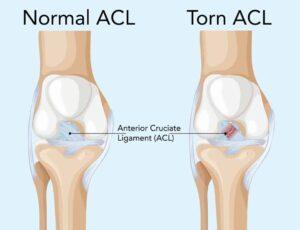
The Anterior Cruciate Ligament (ACL) is a primary stabilizer inside your knee joint. ACL sprains or tears frequently occur during high-speed sports like futsal, basketball, and badminton due to:
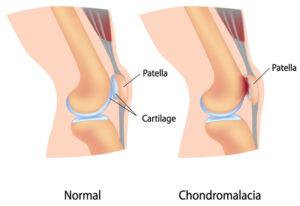
Unlike sudden ligament tears, Runner’s Knee is an overuse injury common among marathon run participants. It manifests as a dull, aching pain behind or around the kneecap. This condition stems from improper tracking of the kneecap along the thighbone, caused by poor foot mechanics, weak quadriceps, or tight IT bands.
Holding static stretches before a game can temporarily reduce muscle power. Instead, prime your body with a dynamic warm-up to increase blood flow and activate knee-stabilizing muscles:
Do Knee Braces Help?
A knee brace can provide external support or psychological reassurance in certain situations depending on the injury. However, a brace should not be viewed as a replacement for active rehabilitation focusing on joint strength, balance, and landing control.
If you suddenly twist or injure your knee during sport:
If you suffer an acute knee twist during an event, follow these first-aid steps immediately:
When self-care isn’t enough, specialized sports physiotherapy uses targeted eccentric loading exercises to rebuild tendon strength and correct biomechanical faults.
For chronic patellar tendinitis or persistent soft tissue inflammation, searching for TECAR therapy connects you to Transfer of Energy Capacitive and Resistive (TECAR) treatment at Wai Physio Puchong. This treatment uses radiofrequency energy to generate deep tissue heat, stimulate circulation, and accelerate natural tissue healing.
Proper diagnosis makes the difference between a temporary set-back and long-term joint instability. Whether you are searching for a trusted physio clinic nearest or looking for a top-rated physiotherapy center in Puchong, finding certified sports care ensures a safe return to sport. Wai Physio Puchong stands out with a 5.0 Google review rating, offering comprehensive biomechanical assessments and individualized sports rehab plans.
Don’t let a knee injury side-line your athletic goals this season. Build resilient joints, optimize your running mechanics, and recover faster with evidence-based care tailored to your sport.
Schedule your sports biomechanics analysis at Wai Physio today and perform at your peak with confidence!